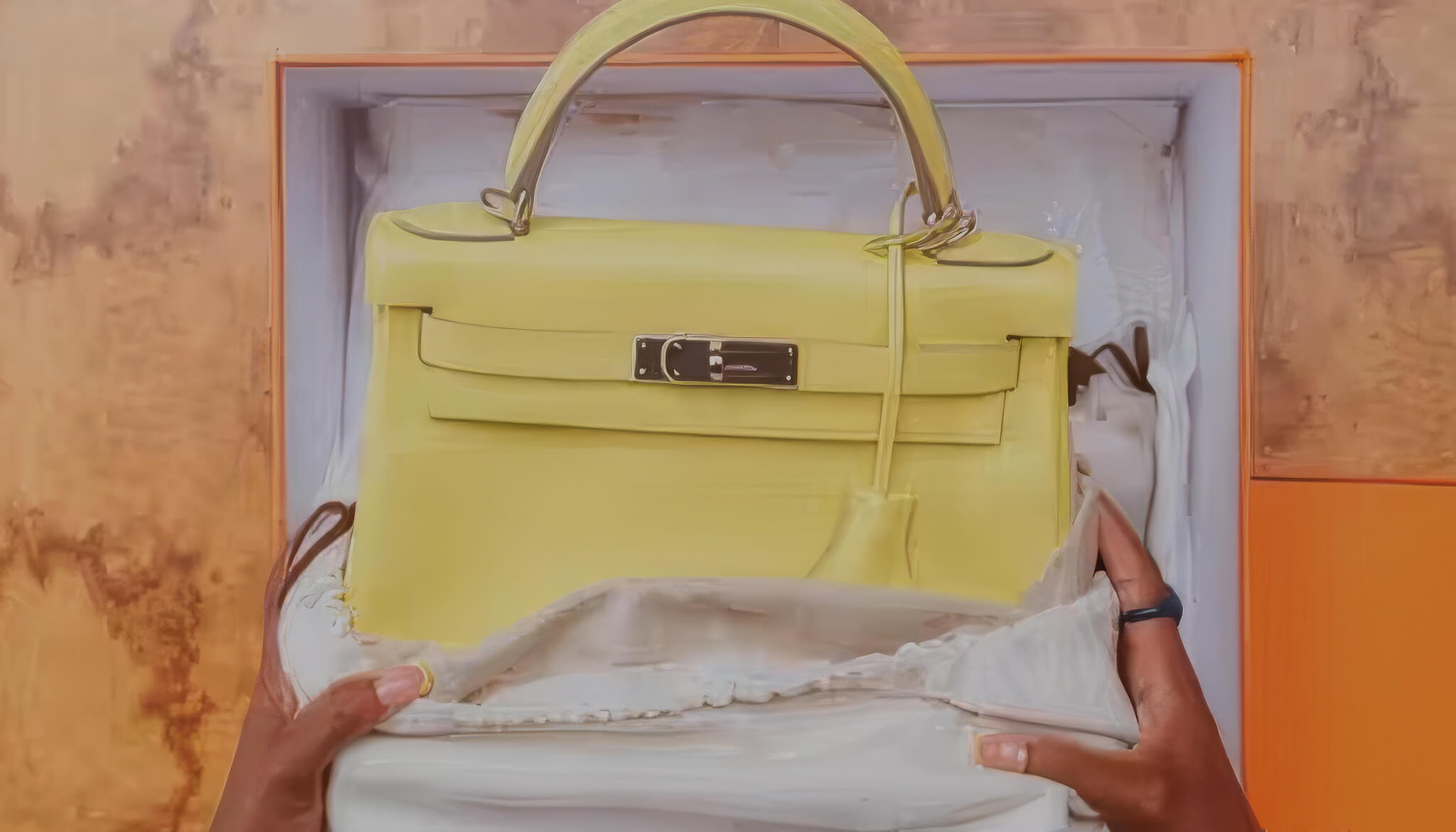

The RealReal: A trusted marketplace that authenticates, prices, presents, and sells pre-owned luxury goods, making resale easier to trust at scale.
The old model worked because trust stayed local
Traditional consignment was imperfect, but its limits made sense. A local shop could inspect each piece, know its regular sellers, and build a reputation with nearby buyers. The tradeoff was reach. Supply was fragmented, selection was inconsistent, and selling could be slow and opaque.
Early internet marketplaces expanded reach but moved responsibility onto the customer. Luxury is different. Counterfeits can be sophisticated, condition is subjective, and each item has its own history, wear, demand, and price. A marketplace could connect buyer and seller, but connection alone did not resolve the risk.
Trust became an operating system
The simplest way to understand The RealReal is that it does the work that a peer-to-peer marketplace leaves to its users. The company takes in goods through appointments, pickups, drop-offs, and shipping. It authenticates and inspects them, writes descriptions, photographs them, sets prices, finds buyers, fulfills orders, and pays consignors.
It requires authentication centers, trained specialists, logistics, customer service, and software capable of managing millions of unique items.
The difficulty is also the advantage. A lighter marketplace can list more easily, but it cannot make the same promise. The RealReal chose to control the parts of the experience that determine whether a buyer feels safe and whether a seller comes back.
The Founder identified buying behavior before the category was obvious
Julie Wainwright, Founder and former CEO, recognized early that the appeal of The RealReal was not merely a lower price. It was access to coveted goods from a source the buyer believed. When she tried selling pieces herself through online auctions, a local consignment shop, and a pawnbroker, she encountered the other half of the problem: selling was inconvenient and inconsistent.
Julie brought the perspective of a seasoned e-commerce operator and the resilience of someone who had led Pets.com through its very public collapse during the dot-com crash. In an episode of Canaan’s WoVen podcast focused on resilience, she described beating herself up afterward before realizing that one failure did not preclude a future win. That shift in perspective helped give her the confidence to start and grow The RealReal.
Early customer behavior showed that the company was not simply moving consignment online. By the time it reached 8 million members, half of its sellers had never consigned before, and half of purchases came from first-time secondhand buyers. The company was teaching both sides of the market a new habit.
Why this matters beyond fashion
The RealReal helped make resale part of the luxury ecosystem rather than an activity hidden behind it. Partnerships with fashion houses signaled that extending a product's life could strengthen a brand relationship. For consumers, resale can lower the cost of access, preserve value, and make ownership feel less final.