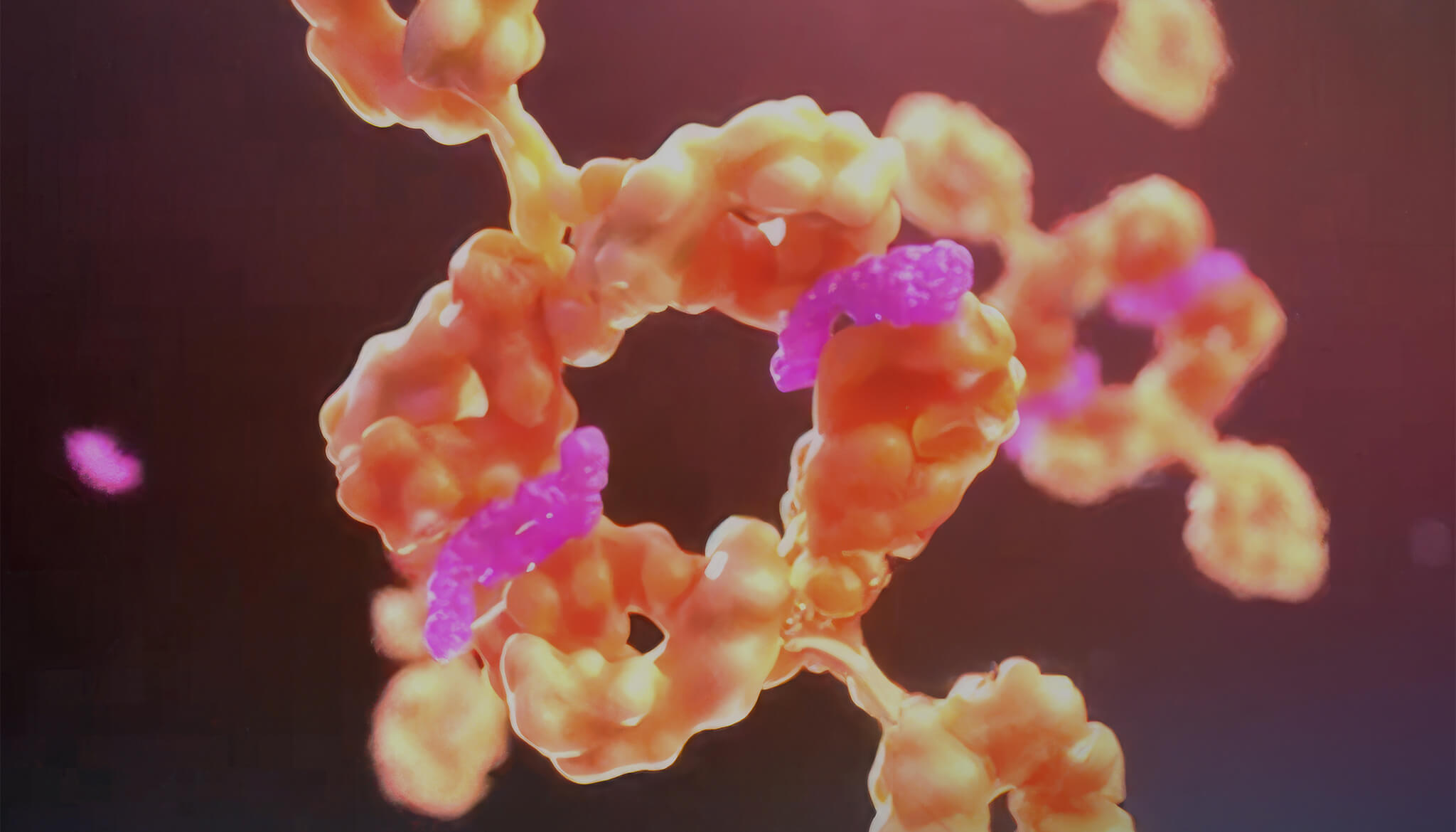

About CatalYm: A biotechnology company developing an antibody designed to block GDF-15, a signal tumors can use to keep immune cells out and that also contributes to cancer-related wasting.
Taking the brakes off was only part of the problem
Checkpoint inhibitors such as anti-PD-1 agents emerged as a key clinical tool to combat cancer’s ability to quiet T cells by exploiting natural immune checkpoints. Blocking those checkpoints can restore an immune response, sometimes dramatically. But the benefits are uneven, and even tumors that initially respond can later progress.
CatalYm is challenging a more specific assumption: that activated T cells can necessarily reach the place where they are needed. The company’s science suggests that GDF-15 can interfere with the adhesion process T cells use to move from blood vessels into tumor tissue. In plain English, the immune system may be ready to fight but blocked from engaging its target.
An immune-tolerance signal hiding in plain sight
CatalYm grew out of research led by Professor Jörg Wischhusen at the University of Würzburg. His group studied GDF-15, a stress-response protein abundant in the placenta and many solid tumors. The connection was striking: a signal associated with immune tolerance in pregnancy also appeared capable of helping tumors avoid immune attack.
That insight led to CatalYm’s founding in 2016 and eventually to visugromab, a monoclonal antibody designed to neutralize GDF-15. CatalYm is testing whether removing this barrier can make existing immunotherapies work better.
There is a second reason GDF-15 matters. The same protein can signal through the brainstem in ways associated with loss of appetite, weight, and muscle in cancer cachexia. That gives CatalYm an unusual therapeutic thesis: one target may sit at the intersection of two different problems, resistance inside the tumor and physical decline across the rest of the body.
The biology has crossed into human evidence
In 2024, results from CatalYm’s first-in-human Phase 1/2a study were published in Nature. In heavily pretreated patients whose cancers had progressed after checkpoint therapy, some experienced deep, durable responses with visugromab plus nivolumab. The study also found biological evidence of increased T-cell infiltration and activity inside tumors.
CatalYm has since moved into more rigorous testing. In an exploratory randomized Phase 2 bladder cancer study presented at ESMO 2025, the pathological complete response rate was 33.3% with visugromab plus nivolumab versus 7.1% with nivolumab alone. By 2026, the company had randomized Phase 2b clinical trials underway in lung and liver cancers, plus a Phase 2/3 study testing visugromab directly in cancer cachexia.
Why this matters beyond oncology
If GDF-15 contributes both to keeping immune cells out of tumors and to the wasting that can accompany advanced cancer, blocking it could affect more than a scan. It could potentially influence whether treatment keeps working and how well a patient can withstand the disease and its therapy.
The real question
The question CatalYm is asking is not simply whether blocking one protein can make checkpoint inhibitors work better. It is whether cancer treatment can become more effective by dismantling the protective environment a tumor builds around itself, while easing one of the body’s most punishing responses to advanced disease.
That points toward a broader way of thinking about resistance. A treatment that stops working may not have reached an absolute biological limit. There may be another barrier in the way. If CatalYm can validate GDF-15 as one of those barriers in larger randomized studies, the company could help turn resistance from a treatment hurdle into a problem with another lever.